
A Complete Guide to Starting Your First Journal
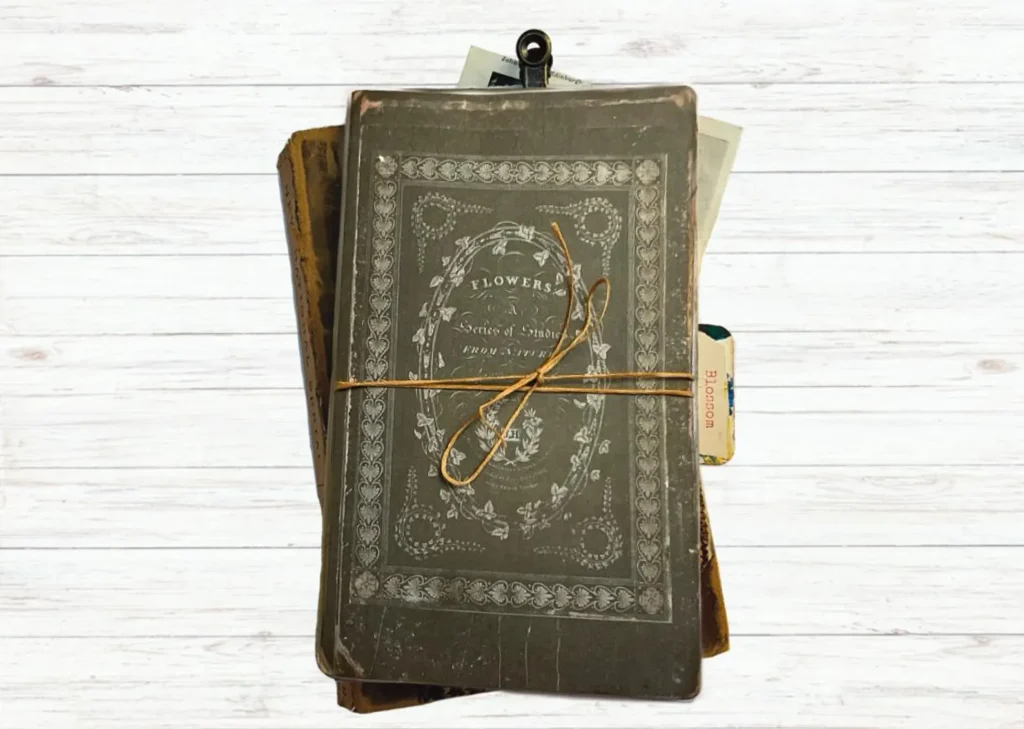
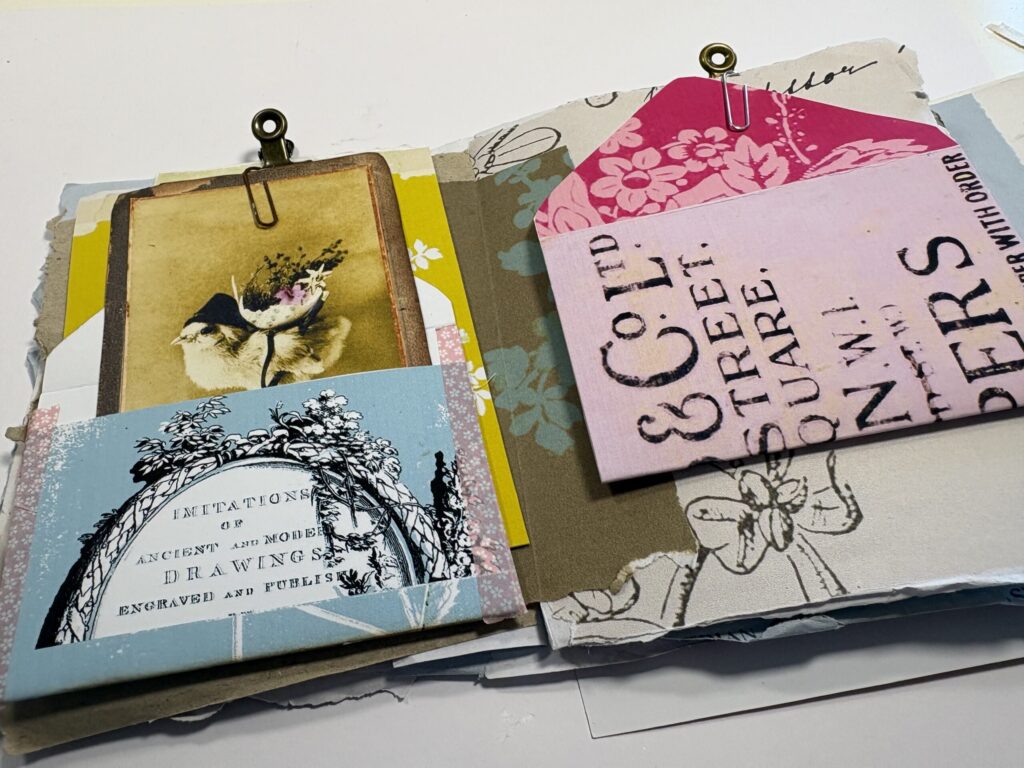
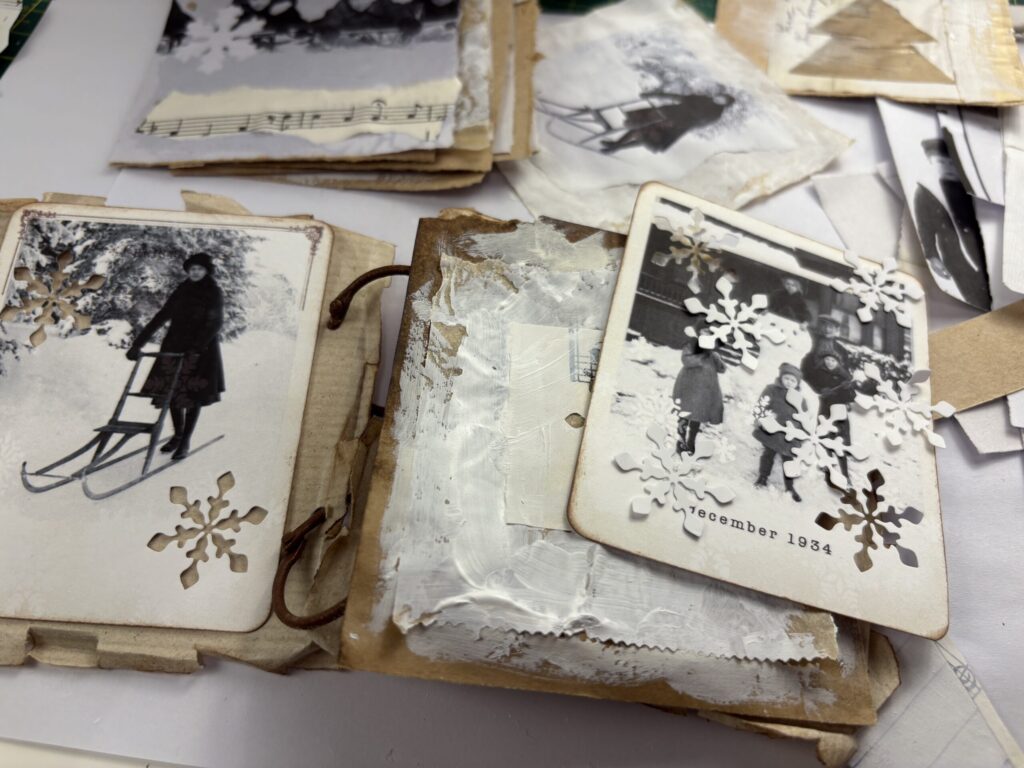
If you’re completely new to junk journaling, it can feel like stepping into a world full of unfamiliar terms, techniques, and ideas…
What Is Junk Journaling?
Learn more
Junk journaling is a creative way of making handmade journals using a mix of recycled materials, papers, and decorative elements.
- Writing and reflection
- Memory keeping
- Creative expression
- Scrapbooking
You can use old book pages, packaging, fabric, and printable designs.
How to Start Your First Junk Journal
Start with a Notebook
Take a normal notebook and begin decorating pages, adding inserts, and building layers over time. Or make your own notebook using a kit. You can staple, or sew together or just add string or ribbon round the spine and slide the pages under.
Recommended Digital Kit: Vintage-style junk journaling notebook
Make a No-Sew Junk Journal
Video: Make a no-sew junk journal with scrap paper and glue
Recommended No-Sew Journal Digital Kit: Floral journal kit
Basic Supplies You’ll Need
View supplies
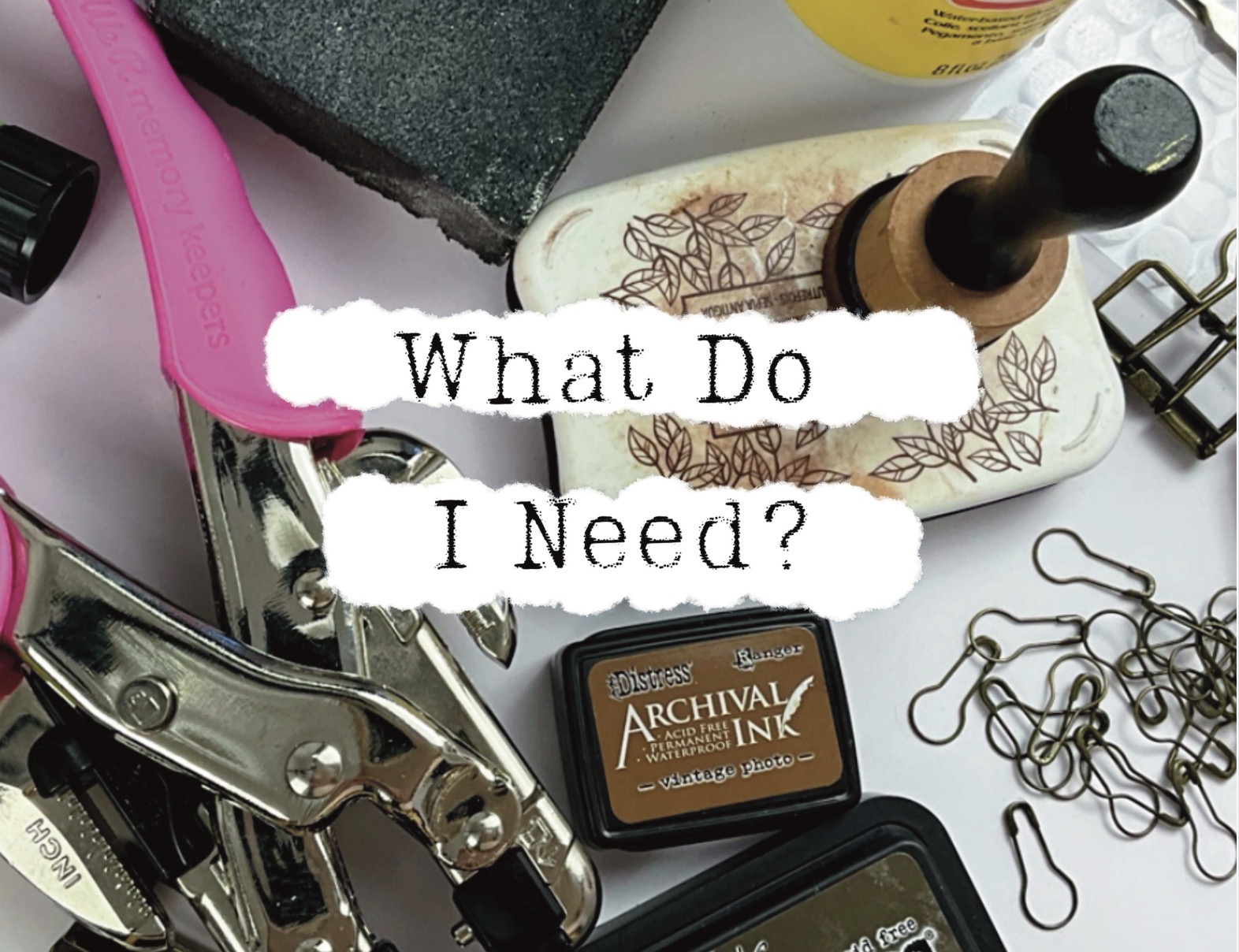
Truthfully, all you really need is a pair of scissors, some glue, scraps of paper or card, a few bits of fabric — and a little imagination. Everything else is just a bonus that helps you tell your story in new and beautiful ways.
That said, it can be helpful to see what kinds of tools and materials are out there — especially when you’re just starting and everything feels new.
For a comprehensive list of junk journaling supplies, read this Blog post with product links : Junk Journaling for Beginners: Essential Supplies & Tips to Start
Understanding Common Junk Journal Elements
Hidden Paperclips
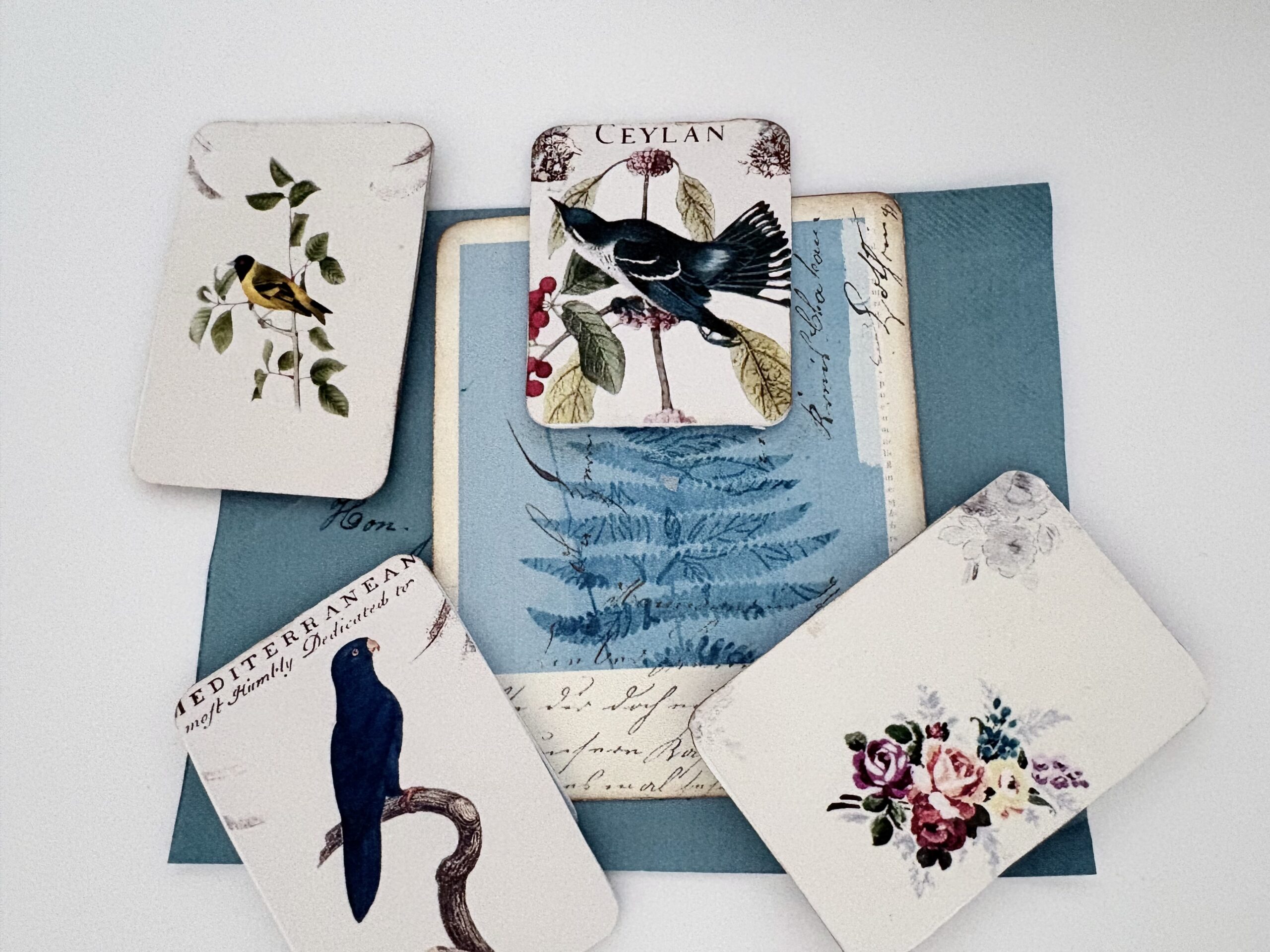
Decorative clips used to hold pages and attach items.
Find out more, including how to make them: hidden paper clips
Belly Bands
Strips across pages for tucking items.
Pockets
Storage spaces for tags and notes.
Envelopes
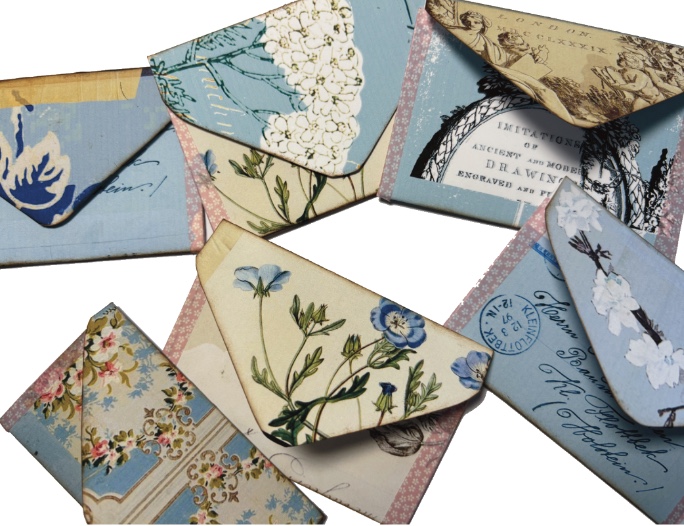
Perfect for keepsakes and letters.
Journaling Cards
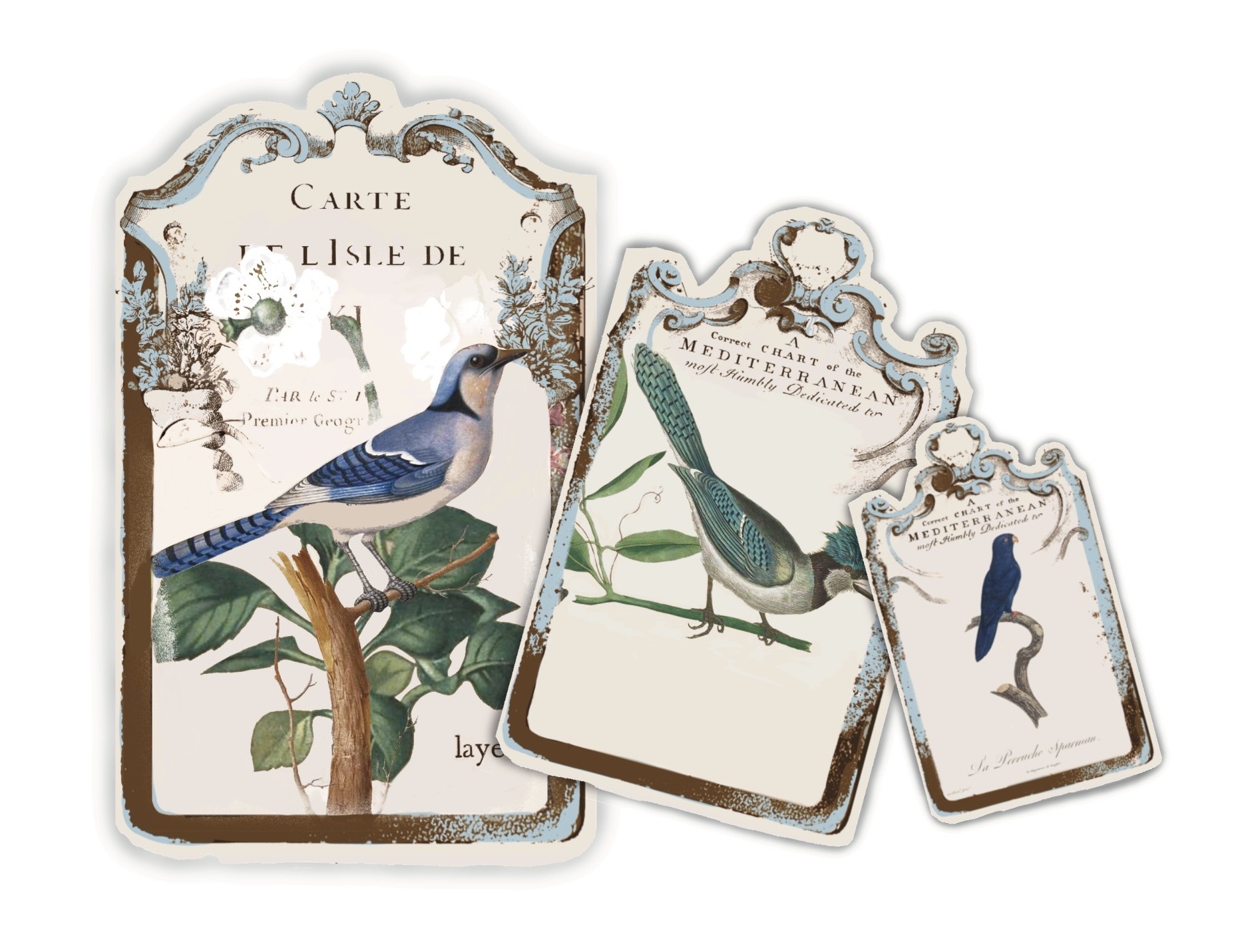
Cards for notes and memories.
Tags
Decorative or functional pieces.
Fussy Cuts
Cut-out images for decoration.
Dangles
Hanging decorative elements.
Tea-Stained Paper
Creates vintage texture and tone.
Flip-Outs
Expandable writing spaces.
Tuck Spots
Hidden sliding spaces behind paper.
Clusters
Layered decorative pieces.
Tabs
Page markers for navigation.
Collage Layers
Layered mixed materials for depth.
Binding Methods Explained
No-Sew Binding
Uses ribbon or elastic. Beginner friendly.
Pamphlet Stitch
Simple sewing method.
Ring Binding
Pages can be rearranged.
Glue Binding
Fixed spine binding method.
Making It Easier to Start
Tips
- Use a starter kit
- Follow tutorials
- Print free papers
- Use prompts
- Keep it simple
A Simple First Page Idea
Step-by-step
- Use tea-stained paper
- Add a pocket
- Insert a journaling card
- Add a small cluster
- Finish with a clip or charm
Final Thoughts
Your first junk journal doesn’t need to be perfect—it just needs to exist. Start simple, experiment, and enjoy the process.