
Journaling can support your mind, mood, and creativity—whatever your needs.
It isn’t just for writers or for people navigating hard times. Journaling is a quiet, adaptable, deeply personal tool—one that can meet you where you are. Whether you feel anxious or inspired, overwhelmed or calm, are brimming with thoughts or simply seeking stillness.
And the best part? It’s flexible. It doesn’t have to be daily, deep, or even written to work its quiet magic.
Backed by Research— and Real Life
Science has shown again and again that journaling has measurable benefits.
Dr. James Pennebaker’s early research found that expressive writing—just 15–20 minutes a day for a few days—helped people process emotions, reduce stress, and even visit the doctor less.
Other studies show that writing about your “best possible self” for a few minutes a day can increase optimism, boost mood, and strengthened motivation.
I’ve seen the benefits myself first-hand. Living with chronic fatigue means facing brain fog, mental overload, and sudden energy crashes—but journaling has remained a constant. No pressure, no rules.
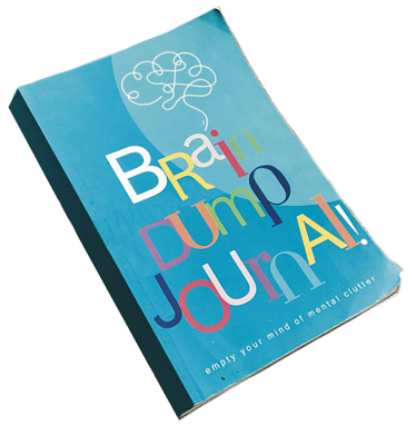
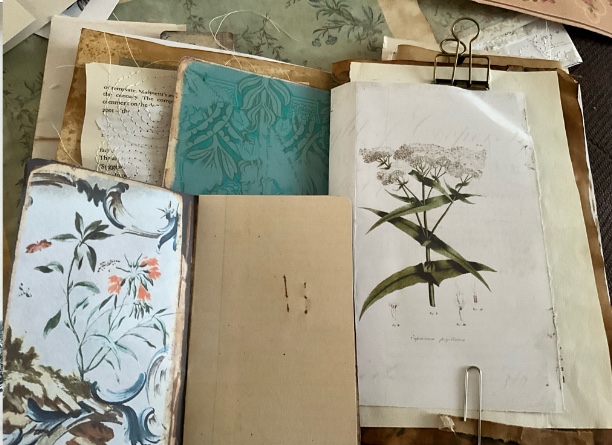
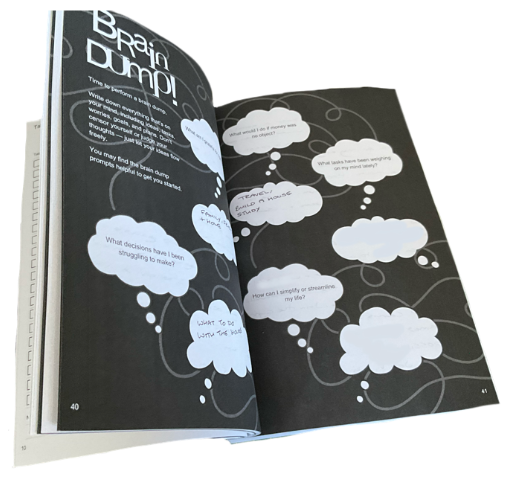
Sometimes it’s a brain dump to help me think, organise my thoughts and support decision making. Sometimes it’s art journaling or junk journaling to relax and reconnect with creativity. Other times, it’s a quick sentence to release something heavy or celebrate something small.
You Don’t Have to be Struggling to Benefit
Journaling is often recommended in times of crisis or emotional upheaval—but you don’t have to be in distress to gain something from it.
It can help you:
- Organise your thoughts
- Be present in the moment
- Explore your identity and inner world
- Spark creative ideas and expression
- Regulate emotions and reduce stress
- Notice patterns, habits, or emotional triggers
- Reflect on growth, healing, or progress
- Create a mindful, grounding ritual
- Or simply unwind at the end of the day
It’s also a beautiful fit for people who process the world differently—those who are neurodivergent, anxious, highly sensitive, or anyone trying to make sense of big thoughts or shifting emotions.
There’s no right or wrong way to journal. What matters is what works for you. Some days you might pour your heart out. Others, you might write a list, make a messy page in your junk journal, or glue down scraps of paper that feel right. All of it counts. All of it matters.
Depending on how you’re feeling, try these types of journaling:
- Overwhelmed or stuck – Expressive writing (release)
- Uncertain or unmotivated – Best possible self (imagine)
- Numb or disconnected – Free writing (stream of thought)
- Creative and inspired – Visual journaling or collage
Art Journaling, Junk Journaling, and Non-Verbal Expression
Journaling doesn’t have to mean filling pages with words. On days when writing feels too heavy—or simply isn’t your style—art journaling and junk journaling offer powerful, freeing alternatives.
You might create with paper scraps, ephemera, or found objects. You might draw, doodle, or make simple marks. You might layer collage pieces, add quotes, stickers, stamps, and colours that match your mood. These approaches allow you to express yourself without needing to find the perfect words—something especially valuable if you’re feeling overwhelmed, processing trauma, living with fatigue, or navigating brain fog.
You Don’t Need Fancy Supplies
One of the best things about journaling is that it doesn’t require anything special. A pen and a piece of paper is enough. A glue stick and some cut-up packaging, old book pages, or stickers? Wonderful. A few colouring pencils or watercolours? Even better. You can use what you already have—and it’s just as valid, beautiful, and worthwhile. Just write, draw, glue, scribble, or create however feels right for you today.
Why I Create Journaling Tools
I believe deeply in the quiet power of journaling—in all its forms—which is why I began designing my own resources.
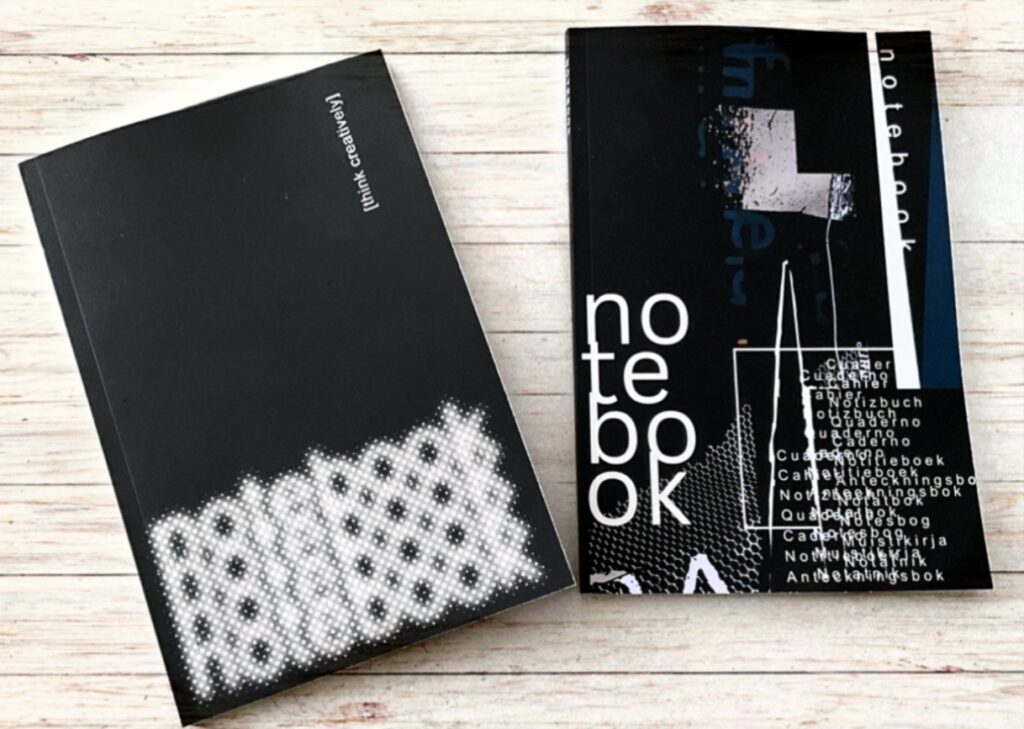
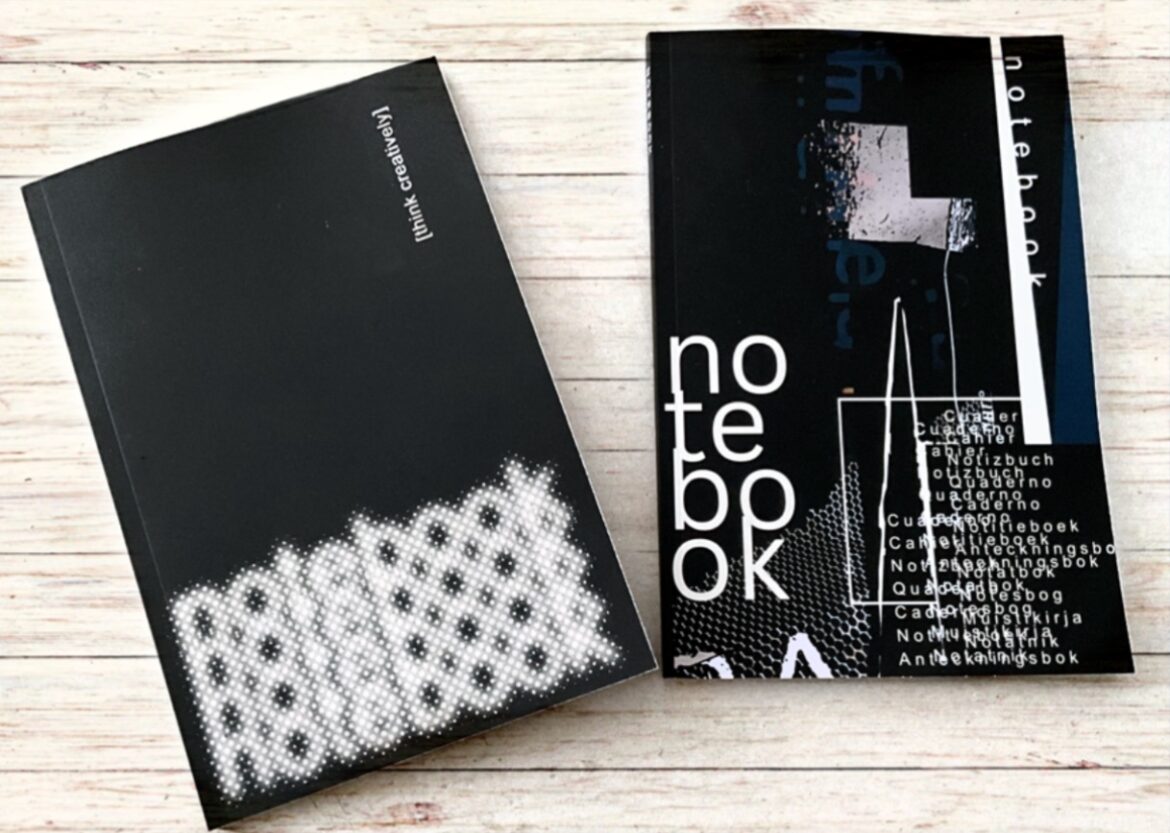
When I couldn’t find the kind of notebooks I wanted—thoughtfully designed, grown-up, and versatile, not overly cutesy or labelled “My Journaling Notes”—I decided to design them myself. I wanted journals that could live comfortably on my desk, slip into my bag, or sit beside my bed. Something that felt like it belonged in my everyday life.
Over time, this grew into creating junk journal digitals—printable papers, ephemera, and creative kits that give people the freedom to make something entirely their own. Whether it’s layering vintage-style pages, building themed journals, or adding little touches of beauty to a daily notebook, my digitals are designed to spark ideas and make journaling a joy.
You can explore these in the Shop tab in the menu bar.
A Superpower You Already Have
Journaling won’t solve everything. But it offers something rare: a place to listen to yourself. To notice what’s true. To make peace with the mess or enjoy the moment. And whether you’re scribbling a list, tracing a leaf, layering paper, or exploring a deep thought, you’re doing something powerful: You’re making space for yourself.
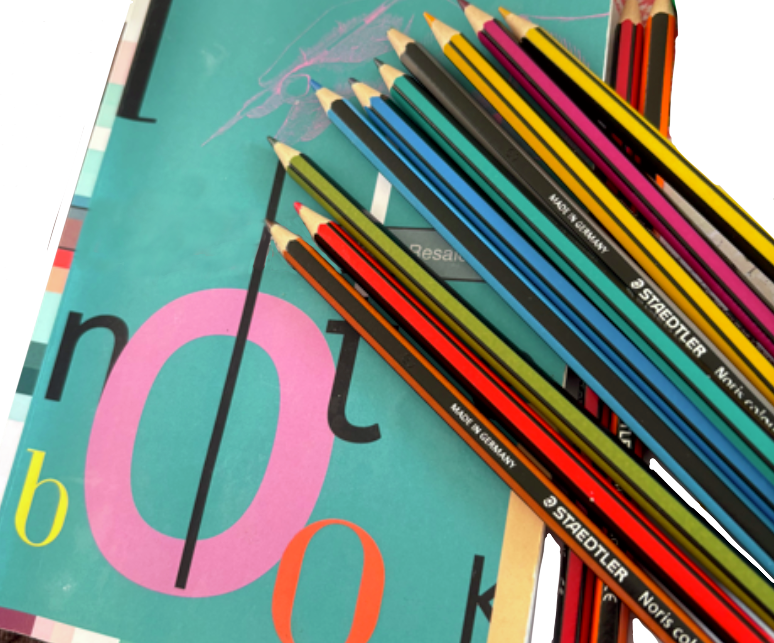
Journaling can be a quiet superpower. On paper, your thoughts find clarity, your heart finds calm, and your ideas take flight.
Ready to Begin Your Own Journaling Practice?
Get instant access to free printables, junk journaling prompts, and creative inspiration. Just sign up to the Well Loved Journals newsletter.
👉 It’s free. It’s gentle. It’s just for you.
Leave a Reply