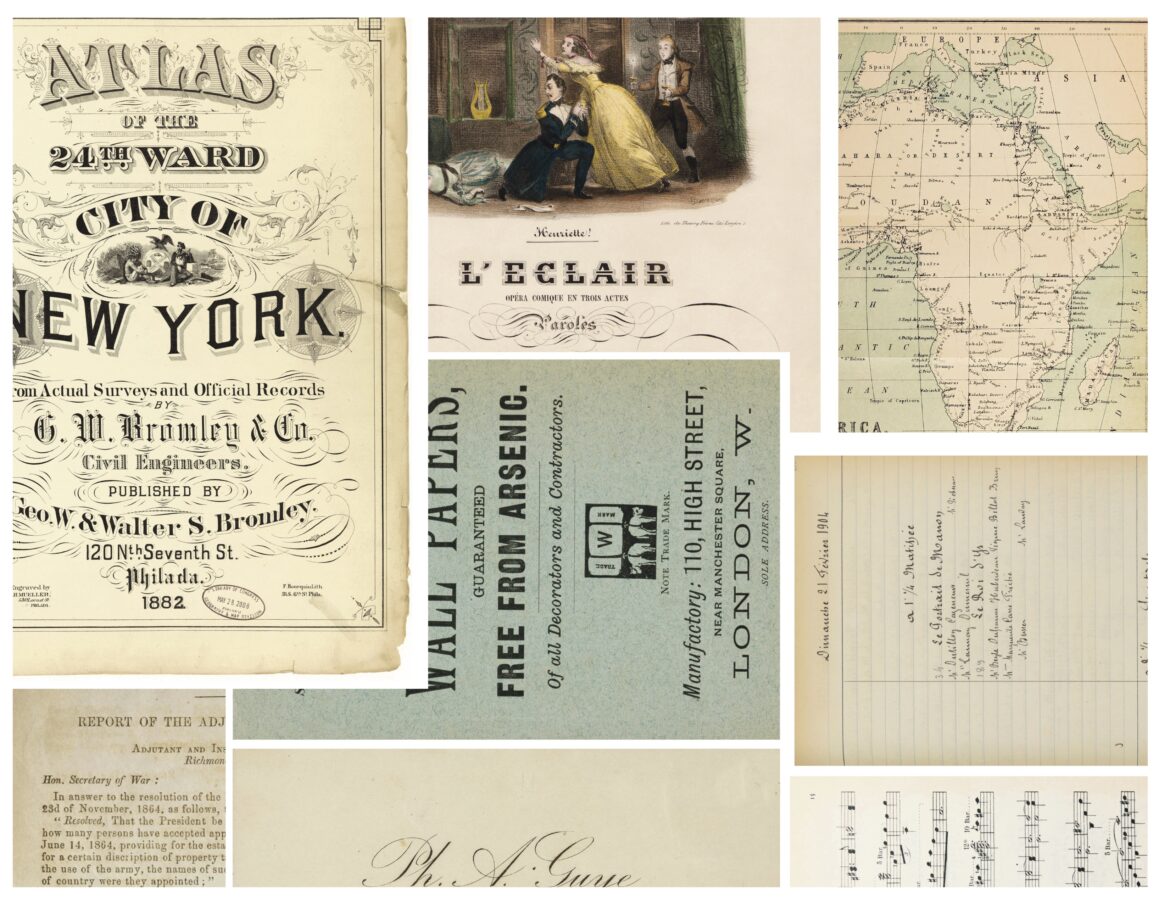
If you’re starting your own Etsy shop selling printable ephemera or handmade junk journals — or simply making beautiful journals as gifts — people often ask:
Where can I find vintage images I’m actually allowed to use? Can I use this in a journal? Can I sell it? Will I get in trouble for copyright?
The good news: There are thousands of stunning vintage images in the public domain that you can safely use — even in products you sell. But you do need to know where to look and how to stay on the right side of copyright law.
Quick Links to My Favourite Public Domain Image Websites
- Picryl
- Project Gutenberg
- Pixabay
- Public Domain Image Archive
- RawPixel (Public Domain Section)
- Wikimedia Commons
- The Graphics Fairy
What Does “Public Domain” Mean?
Public domain images are not protected by copyright, meaning you’re free to use, modify, and even sell them — no license needed and no attribution required.
An image is usually in the public domain because:
- The artist died over 70 years ago
- The work was published before 1928 (in the U.S.)
- The creator gave up copyright and released it as CC0 (no rights reserved)
You can use public domain images:
- In your personal junk journals or as gifts
- In printable kits, collage sheets, or tags sold on Etsy
- In physical products like handmade journals or scrapbooking kits
Just a quick heads-up: even if an image looks vintage, it might not be copyright-free. Different countries have different rules, and an image that’s public domain in one place might still be protected elsewhere. So, always double-check the source and licensing info before using an image in anything you plan to sell.
My Go-To Websites for Public Domain Images
Here are the free and trusted sites I personally use to find images for my digital kits, printable papers, and journaling projects:
- Picryl — https://picryl.com/media
A huge collection of old photos, posters, ads, and more from public archives. Most are public domain — just check the license info under each image. - Project Gutenberg — https://gutenberg.org
Famous for free eBooks, but many contain vintage illustrations, storybook images, and engravings in the public domain. - Pixabay — https://pixabay.com
While not all images are technically public domain, Pixabay offers a generous commercial-use license. Avoid AI-generated or branded content. Great for backgrounds, florals, and decorative elements. - Public Domain Image Archive — https://pdimagearchive.org
Beautifully curated archive of historic, antique images, all safe to use and perfect for junk journal makers. - RawPixel (Public Domain Section) — https://www.rawpixel.com/public-domain
Gorgeous vintage illustrations, botanical prints, and ephemera. Filter for “Public Domain” to find safe images. - Wikimedia Commons — https://commons.wikimedia.org
An enormous archive from museums and libraries. Not everything is free to use — always check each image’s license for “public domain” or “CC0.” - The Graphics Fairy — https://thegraphicsfairy.com
A favorite in the junk journaling world! Shares free vintage images — many public domain or copyright-free. Check usage terms, especially for selling printables. Premium membership offers bundles and tutorials.
Using Google Image Search to Check Image Sources
If you’ve found a vintage-looking image on Pinterest, Etsy, or social media and want to know if you’re allowed to use it — try a reverse image search on Google.
This can help you:
- Find the original source of an image
- See if it’s been listed on a public domain site
- Check whether it’s copyright-protected or already in use commercially
How to do it:
- Go to Google Images
- Browse the results to find where the image originally came from
Caution: Just because others are selling or using an image doesn’t mean it’s legal. Always do your own research before using or reselling anything you didn’t create yourself.
Common Copyright Confusions (Even for Vintage-Looking Images)
Not everything that looks old is automatically in the public domain. Sometimes, only parts of a work are free to use — and other parts are still protected by copyright or trademark law.
For example:
- Winnie the Pooh: The original 1926 book version of Winnie the Pooh is in the public domain. That means you can use classic illustrations of Pooh — as long as he’s not wearing a red t-shirt.
The red-shirt version is a later Disney design, and still protected by copyright and trademark. - Modern Editions of Vintage Books: Just because a book is old doesn’t mean all versions of it are public domain. A newly illustrated or reformatted version of a public domain work might still be under copyright.
Always double-check the specific version, creator, and publication date of anything you’re using — and when in doubt, stick with clearly marked public domain sources or trusted archives.
How to Use Public Domain Images Safely (Even for Etsy)
- Check the license: Look for “Public Domain,” “CC0,” or “Free for Commercial Use.” Avoid anything that says “All Rights Reserved.”
- Download the highest resolution: High-resolution files ensure the best quality for printing, resizing, and editing.
- Edit or remix if you’re selling: Etsy prefers sellers to offer original, creative designs. Try combining, layering, recoloring, or turning images into tags, labels, and collage sheets.
- Keep a record of sources: Save URLs or site names where you downloaded images, just in case you need to verify later.
Alternatives to Public Domain Images
Not all beautiful vintage-style images come from the past — today, there are also modern alternatives like AI-generated art and digital design tools, which can be used creatively with the right permissions.
What About AI-Generated Vintage Images?
AI tools like DALL·E or Midjourney can create vintage-style images, but these are not public domain. Usage rights vary depending on the platform.
If you want to use AI-generated art in your journals or printables:
- Make sure the platform allows commercial use
- Don’t claim it’s genuinely vintage
- Combine or alter it creatively to make something original
- Avoid recognizable brands, styles, or real people (which AI can accidentally mimic)
- Always read the licensing terms on the tool you’re using
Quick Note About Canva Graphics
Many crafters use Canva to design printables and layouts, but be cautious with built-in elements like illustrations, stickers, or photos.
- You can’t resell Canva elements “as-is” (like a cut-and-paste journal card)
- You must alter or combine elements creatively
- Always read Canva’s content license
Best practice? Use Canva for layout and design, but bring in public domain or self-made images for safer selling.
Using Your Own Family Photos and Inherited Documents
Another wonderful source of vintage-style images is your own family collection! Old photographs, letters, postcards, and documents passed down through generations can add a unique, personal touch to your junk journals or printable kits.
Here are some tips for using these treasured items:
- Personal Use vs. Selling: If you’re creating journals or gifts just for yourself or close friends and family, you’re free to use these materials without worry.
- Selling Considerations: If you want to include family photos or documents in items you sell — especially if they feature other people — be mindful of privacy and permissions. It’s best to get consent from anyone identifiable in the images when possible.
- Digitizing for Quality: Scan or photograph originals at high resolution to preserve details and allow for creative editing or resizing.
- Creative Freedom: Use your family images as backgrounds, collage elements, or inspiration for matching designs, making your products truly one-of-a-kind.
- Sharing Risks: Keep in mind, once your images are online or sold digitally, others might use or share them without your permission. Consider watermarking or selling only physical products if this is a concern.
Using your own heritage materials can make your junk journals extra special and meaningful — plus, you’ll know you have full rights to use and sell those designs (as long as privacy is respected)!
Final Thoughts: Build Beautiful Journals Without Copyright Worries
Using public domain images lets you honour history, share beauty, and create something uniquely your own — without stressing about copyright issues. Whether you’re designing printables for Etsy or making one-of-a-kind journals for gifts, you now have a toolkit of safe, inspiring sources.
Happy making,
Natalie x
Well Loved Journals
Disclaimer
This post is for informational purposes only. I do my best to provide accurate, up-to-date info, but copyright laws and platform terms can change. Always double-check image licenses before using them in commercial products.
Leave a Reply